medicina-auricular

German Auricular Medicine · Mafra & Estoril, Portugal

The Ear Holds
a Map of
Your Whole Body

Auricular medicine is a precision diagnostic and therapeutic system grounded in neuroscience and embryology. The outer ear maps the entire body — and through the Vascular Autonomic Signal (VAS), even hidden disturbances can be identified and corrected.

Founded by Dr. Paul Nogier · Refined by Dr. Frank Bahr · Applied by Oren Ziv Ram

1957
Nogier’s Discovery
200+
Auricular Points
7
Nogier Frequencies
27
Years Experience

What is Auricular Medicine

The Outer Ear as
a Diagnostic System

Auricular medicine is a specialized therapeutic system grounded in neurophysiology and embryology. The ear reflects the entire body through a precise somatotopic map — specific points on the auricle correspond to organs, musculoskeletal structures, and regulatory systems throughout the body.

Ao contrário dos mapas simplificados de acupuntura auricular, a auriculomedicina concentra-se em functional assessment and individual reactivity — identifying active points that appear only when a genuine disturbance is present.

This is a precise, measurable, nervous-system-based clinical methodology developed over 70 years of medical research — refined through modern biophotonics and frequency diagnostics.

The Somatotopic Map
Upper Ear (Antihelix) Spine
Triangular Fossa Pelvis / Hips
Concha (Inner Bowl) Organs
Earlobe Head / Brain
Helix Tail Teeth / Jaw
Tragus Autonomic Regulation

Each point becomes reactive only when a genuine disturbance is present — making the ear a real-time diagnostic interface.

The VAS Pulse
VAS
Vascular Autonomic Signal

“A subtle pulse change that the body cannot fake — and a practitioner trained to read it.”

The Key to Precision Diagnosis

The Vascular
Autonomic Signal

The VAS — also known as the Reflex Auriculo-Cardiac (RAC) — is a physical pulse transition detected at the radial artery when the body’s regulatory field is challenged by a specific stimulus: a laser, a diagnostic frequency, or direct contact with an auricular point.

This subtle pulse response cannot be faked, cannot be placebo-influenced, and cannot be produced by a point that is not genuinely reactive. It provides an objective, real-time window into the body’s regulatory state.

Developed by
Dr. Paul Nogier
French physician · 1950s–1980s
Refined by
Dr. Frank Bahr
German physician · Advanced precision protocols

Aplicações Clínicas

What Auricular Medicine
Can Address

The ear connects to the entire nervous system — making auricular medicine effective across a wide spectrum of pain, functional, and regulatory conditions.

Pain 
 
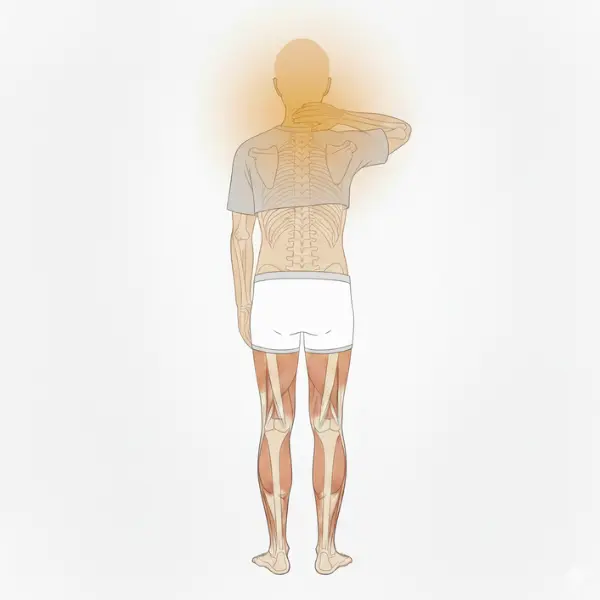
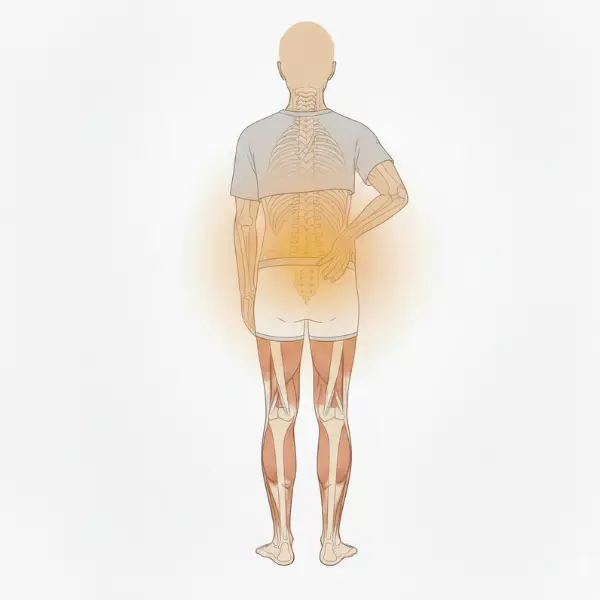
  • Back Pain
  • Ciática
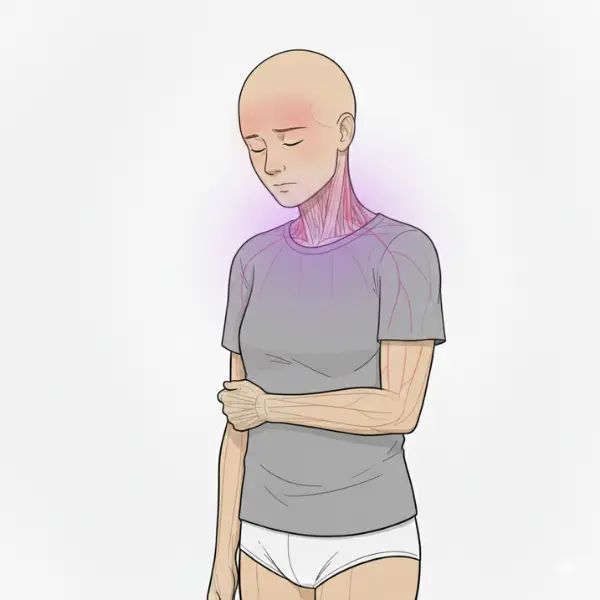
  • Neck Pain
  • Tennis Elbow
  • Shoulder Pain
Neurological
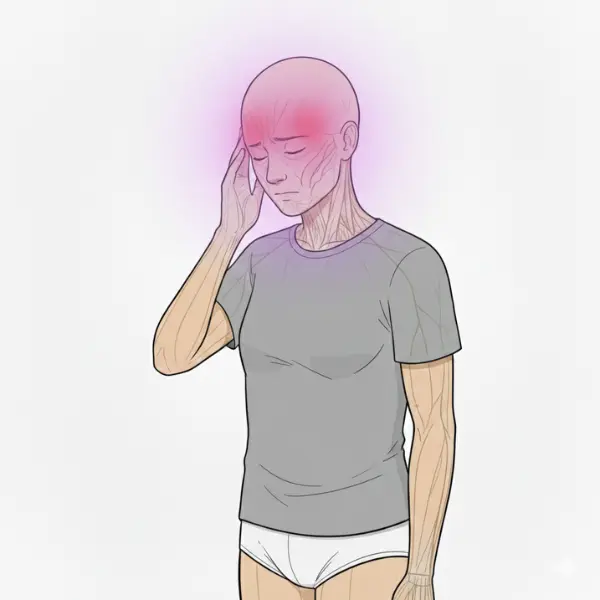
  • Headaches & Migraines
  • Neuralgia
  • Post-Stroke Support
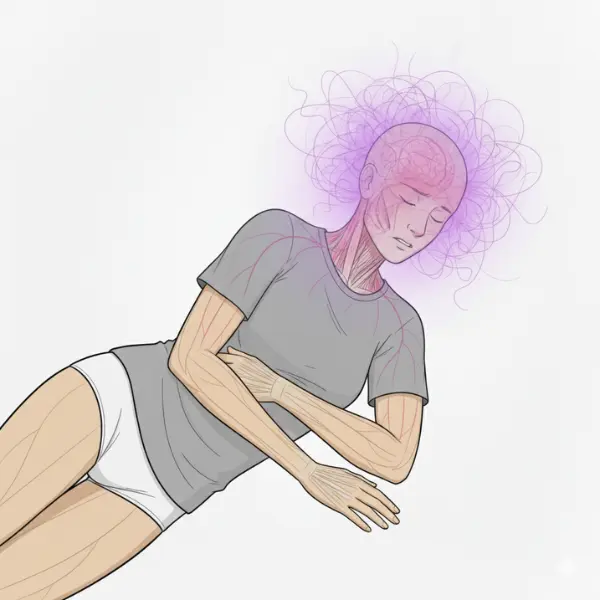
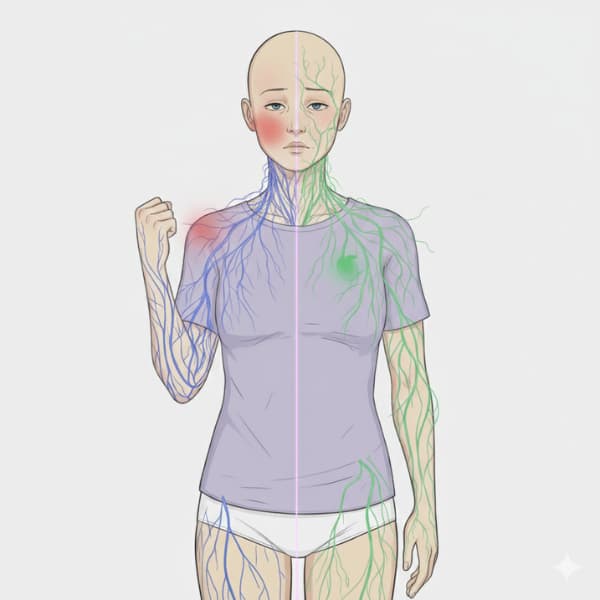
  • Autonomic Imbalance
  • Nerve-Related Pain
Emotional
 
  • Insónia
  • Anxiety & Stress
  • Depressão
  • Mood Disturbances
  • Psychosomatic Conditions
Digestive 
 
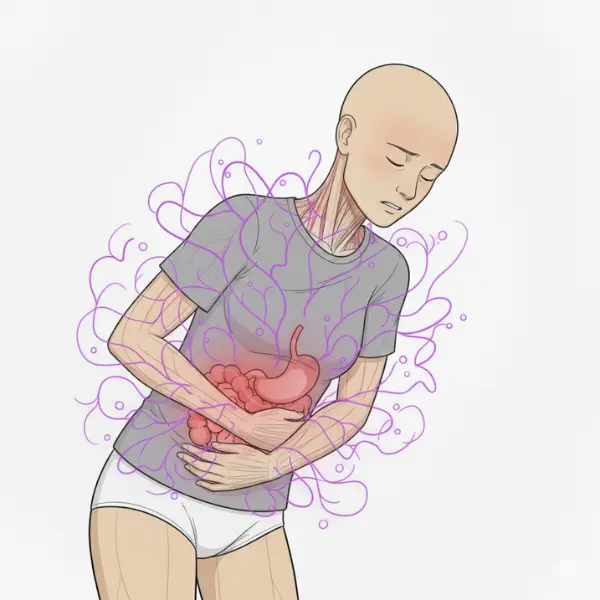
  • Distúrbios Digestivos
  • Rheumatism
  • Joint Pain
  • Desequilíbrios Hormonais
  • Functional Complaints
Interference
 
  • Dental Infections
  • Scar Tissue
  • Silent Jaw Infections
  • Tonsil Inflammation
  • Sinus Disturbances
Suitable
 
  • Chronic Conditions
  • Needle-Averse Patients
  • Alongside Conventional Care
  • Complex Unresolved Cases
  • All Ages

Your First Visit

O Que Esperar
in a Session

Sessions are calm, focused, and typically 40–60 minutes. Treatment is gentle and well-tolerated — many patients describe a deep sense of relaxation during and after.

40–60
Min/Session
0
Downtime
2
Clinics
Step 01

Clinical Intake

A full health history is taken — including past conditions, medications, dental history, and current complaints. Nothing is too small or seemingly unrelated — interference fields often hide in unexpected places.

Step 02

VAS Pulse Reading

The Vascular Autonomic Signal is monitored at the radial artery while specific ear points and diagnostic frequencies are applied. The body’s pulse response guides the entire treatment selection — objectively and precisely.

Step 03

Laser Stimulation

Reactive auricular points are treated with calibrated low-level laser at Nogier and Bahr frequencies. No needles, no discomfort — precise photonic stimulation that communicates directly with the nervous system.

Step 04

Review & Ongoing Plan

Changes in the VAS and symptom response guide the ongoing treatment plan. Multiple sessions are typically required for lasting stabilization — the body restores regulation gradually and cumulatively.

Oren Ziv Ram
27
Years Clinical Practice

“The ear does not lie. When you know how to listen to it, it tells you everything.”

About Your Practitioner

Oren Ziv Ram

TCM · Auricular Medicine · VAS Diagnosis · Laser Acupuncture · Flower Essences

With over 27 years of clinical experience in acupuncture and Chinese medicine, Oren Ziv Ram brings depth, precision, and genuine care to every treatment. His practice is rooted in classical Chinese medicine and extended through Japanese acupuncture techniques, Master Tung’s points, and German auricular medicine.

His approach goes beyond symptom relief — he carefully evaluates each patient’s condition to identify the underlying patterns driving it, and supports the body’s own capacity to restore balance.

His philosophy is simple: listen carefully, diagnose precisely, and treat with clarity and respect for the body’s intelligence.

Clinics in Mafra & Estoril, Portugal

Let Your Body
Remember How to Heal

Whether you are dealing with pain, a chronic condition, stress, or something that has not responded to conventional treatment — auricular medicine offers a precise, non-invasive path to restoring your body’s own regulation.

R. dos Jasmins 6, Salgados, Mafra  |  Estoril  |  +351 915 698 420

Medicina Auricular

A auriculomedicina é uma forma especializada de acupuntura auricular baseada na relação funcional entre a orelha, o sistema nervoso e os órgãos internos. Utiliza zonas reflexas específicas na orelha para influenciar a regulação da dor, o equilíbrio do sistema nervoso autónomo e perturbações funcionais no corpo.

O que é a Auriculomedicina?

Medicina Auricular Baseia-se na neurofisiologia e na embriologia. A orelha reflete todo o corpo através de um mapa somatotópico preciso, onde pontos específicos correspondem a órgãos, estruturas musculoesqueléticas e sistemas reguladores.

Ao contrário dos mapas simplificados de acupuntura auricular, a auriculomedicina concentra-se em avaliação funcional, na reatividade individual e no sistema nervoso autónomo, em vez de fórmulas fixas de pontos.

Como Funciona a Auriculomedicina

A estimulação de pontos específicos na orelha influencia o sistema nervoso central e periférico. Esta interação pode modular a perceção da dor, o equilíbrio do sistema nervoso autónomo e a regulação funcional dos órgãos e tecidos.

O tratamento é adaptado à apresentação e à resposta de cada paciente, em vez de ser aplicado como um protocolo padronizado.

Aplicações Clínicas

Como é uma Sessão

Uma sessão começa com uma breve avaliação clínica. Com base nas observações, são identificados pontos reativos na orelha e tratados.

O tratamento é geralmente suave e bem tolerado. As sessões normalmente duram –60 minutos, dependendo do caso individual.

Para Quem Esta Abordagem é Adequada

Pacientes que procuram uma abordagem focada no sistema nervoso

Pessoas com dor crónica ou recorrente

Pacientes com queixas funcionais ou relacionadas com o stress

Pessoas que procuram um método complementar aos cuidados convencionais

A Evolução e a Precisão Clínica da Auriculomedicina Alemã
Ler mais Read less

German Auricular Medicine is an advanced diagnostic and therapeutic system that builds upon the foundational Ear Acupuncture developed by Dr. Paul Nogier in the 1950s. While Nogier identified the somatotopic map of the ear—the concept that the auricle represents an inverted fetus—German researchers, led by Dr. Frank Bahr, transitioned the field into a high-precision medical discipline by integrating neurology, biophysics, and laser technology.

Mechanisms and the Vascular Autonomic Signal (VAS)

The core of this modality is the Vascular Autonomic Signal (VAS), also known as the Reflex Auriculo-Cardiac (RAC). This is a physical pulse transition detected at the radial artery when the body’s electromagnetic field is challenged by a stimulus such as a laser or a specific diagnostic frequency.

German practitioners use specific frequencies—initially developed by Nogier and later refined by Bahr—to identify active auricular points that appear only when a functional or organic disturbance is present. This allows for highly individualized diagnosis rather than fixed point prescriptions.

The Bahr Detector further enhances precision by enabling localization of reactive points with a level of accuracy not achievable through manual palpation alone.

Advancements in Low-Level Laser Therapy (LLLT)

The integration of photobiomodulation has largely replaced or supplemented traditional needles in modern German protocols. This transition is based on documented physiological responses to low-level laser stimulation.

Laser application at specific frequencies enhances mitochondrial ATP production, supporting cellular repair and regeneration. At the neurological level, auricular stimulation influences neurotransmitter release and modulates autonomic nervous system activity.

Unlike needles, laser therapy allows non-invasive delivery of Bahr frequencies to deep-seated energetic and regulatory blockages without mechanical tissue trauma.

Dental–Auricular Integration and Interference Fields

A distinctive contribution of German Auricular Medicine is the identification of interference fields (Störherde). Research by Bahr demonstrated a direct correlation between specific teeth and defined auricular points.

Chronic dental inflammation or silent jaw infections may act as systemic blockages, inhibiting recovery from seemingly unrelated chronic pain or functional disorders.

Transfloral Acupuncture (TfA) further extends this approach by combining auricular stimulation with frequencies derived from Bach flower properties, addressing emotional and psychosomatic components linked to dental and systemic health.

Neurological and Veterinary Expansion

Clinical applications now extend into neurological rehabilitation and veterinary medicine. Auricular stimulation is used to support neuroplasticity in post-stroke recovery by engaging cortical pathways via cranial nerves represented in the ear.

The same somatotopic principles have been adapted for equine and canine physiology, offering non-pharmacological options for pain management and inflammatory conditions in animals.

The Future of Integrative Diagnostics

German Auricular Medicine functions as a bridge between traditional meridian theory and modern Western neurology. Through biophotonics and frequency-based diagnostics, it provides a measurable and repeatable framework for personalized, integrative medical care.

Auriculomedicina Alemã: Fundamentos Clínicos e Diagnóstico
Ler mais Read less

Developed in the 1950s by French physician Dr. Paul Nogier, German Auricular Therapy is a specialized form of acupuncture focused on the outer ear (auricle) as a diagnostic and therapeutic system. The ear functions as a microsystem in which specific zones correspond to organs, tissues, and regulatory systems throughout the body.

By evaluating these reflex zones, practitioners can identify both visible and hidden disturbances, detect functional imbalances, and locate sources of pain or dysfunction that may not be immediately apparent.

Compreender as Zonas Reflexas e as Perturbações Focais

Each reflex zone on the ear reflects a defined anatomical or functional structure in the body. When a zone becomes reactive, it may indicate stress, inflammation, or regulatory disruption in the corresponding area.

In many cases, focal disturbances interfere with recovery. These disturbances may not be directly related to the main complaint but can weaken the body’s healing capacity. Examples include chronic tonsil inflammation, sinus infections, scar tissue, dental infections, decayed teeth, or toxic amalgam fillings.

If untreated, such interference fields can reduce resilience, impair immune response, and limit the effectiveness of conventional therapies.

Processo de Diagnóstico e Tratamento

Using specialized diagnostic techniques, practitioners measure subtle electrical or reflex changes on the ear surface. A reactive point may signal dysfunction in the corresponding organ or system.

Once identified, specific ear points are stimulated to restore regulatory balance. Traditional treatment involves fine acupuncture needles, while modern protocols frequently incorporate laser stimulation as a non-invasive alternative.

Auricular stimulation communicates with the diencephalon — a central regulatory structure of the brain responsible for autonomic and endocrine balance. Proper stimulation activates intrinsic healing mechanisms and supports systemic regulation.

Condições Frequentemente Tratadas

  • Enxaquecas e dores de cabeça
  • Insónia e Distúrbios do Sono
  • Anxiety, depression, and mood disturbances
  • Digestive disorders and functional gastrointestinal issues
  • Reumatismo e dores articulares
  • Autonomic dysfunction and nerve-related pain (tennis elbow, shoulder and neck pain)

While auricular therapy cannot reverse structural destruction such as fractures or advanced tissue damage, it can reduce pain, improve circulation, and enhance the body’s response to conventional medical care.

Terapia Auricular com Laser: Uma Alternativa Moderna

Laser auricular therapy provides a needle-free method of stimulation using coherent, monochromatic light. This light penetrates tissue and transfers energy to cellular structures, supporting metabolic activity and regulatory balance.

By applying specific light frequencies to auricular reflex points, practitioners aim to restore energy flow along the body's regulatory pathways. This approach is especially suitable for patients who prefer non-invasive treatment.

As with traditional acupuncture, multiple sessions are typically required to achieve lasting stabilization.

The Importance of Holistic Integration

German Auricular Therapy is designed to complement conventional medicine. By addressing regulatory disturbances, interference fields, and systemic imbalances, it offers a structured and integrative approach to chronic and functional conditions.

When performed by a trained professional, treatment is considered safe, well tolerated, and suitable for long-term therapeutic strategies.
Restaurar a Inteligência Natural de Cura do Corpo

A auriculomedicina não se trata de tratar doenças diretamente — trata-se de ajudar o corpo a recordar como se curar a si próprio. Cada pessoa nasce com mecanismos naturais de autorregulação e reparação, mas traumas, stress crónico, medicamentos, infeções ou perturbações dentárias podem criar bloqueios que interferem com essa capacidade.

Em vez de se focar apenas nos sintomas, a auriculomedicina procura o desequilíbrio subjacente. Utilizando o Sinal Autonómico Vascular (VAS), pequenas alterações no pulso orientam o terapeuta para áreas de disfunção dentro do sistema nervoso. Ao identificar e corrigir estes bloqueios, o corpo é apoiado no regresso ao seu equilíbrio natural.

Esta abordagem não está centrada em rótulos de doenças. Quer se trate de dor, insónia, dores de cabeça ou condições mais complexas, o objetivo mantém-se o mesmo: restaurar a regulação e reativar a capacidade natural de cura do corpo.

Quando combinada com a acupuntura a laser baseada em frequências, este processo torna-se suave, preciso e altamente favorável aos próprios mecanismos de recuperação do corpo.


Restaurar o Equilíbrio na Origem

A auriculomedicina não se concentra em tratar doenças diretamente, mas em ajudar o corpo a recuperar a sua capacidade natural de cura. Embora nasçamos com fortes mecanismos de autorreparação, traumas, stress crónico, infeções, medicamentos ou perturbações dentárias podem interromper esta regulação interna e bloquear a recuperação.

Em vez de se concentrar nos sintomas, este método procura o desequilíbrio subjacente. Através do Sinal Autonómico Vascular (VAS), pequenas alterações no pulso orientam o terapeuta para áreas de disfunção dentro do sistema nervoso. Ao corrigir estes bloqueios, o corpo é apoiado no regresso ao seu equilíbrio original.

Esta abordagem não é limitada por rótulos diagnósticos. Quer se trate de dor, insónia, dores de cabeça ou condições crónicas mais complexas, o objetivo é sempre o mesmo: reativar a autorregulação e restaurar a harmonia.

Quando combinada com a acupuntura a laser baseada em frequências, este processo torna-se suave, preciso e apoia a inteligência natural de cura do corpo.

Auriculomedicina Explicada: Como a Orelha Reflete Todo o Corpo
As Origens e os Princípios da Auriculoterapia

O trabalho do Dr. Paul Nogier começou quando ele observou que pacientes tratados na orelha para infeções também apresentavam alívio da dor ciática após a cauterização de pontos específicos na orelha. Esta observação levou-o a investigar a relação entre a orelha externa e o resto do corpo. Ao longo de mais de quinze anos de investigação, desenvolveu o mapa auricular — uma representação de um feto invertido do corpo refletido na orelha.

A auriculoterapia baseia-se num princípio reflexo: pontos específicos na orelha correspondem a órgãos e sistemas definidos. Pontos patológicos tornam-se reativos e podem ser identificados através da sensibilidade à pressão, à luz, à estimulação com laser ou à deteção eletrónica. O tratamento é então aplicado através de agulhas, estimulação elétrica ou terapia a laser para restaurar o equilíbrio funcional.


Da Auriculoterapia à Auriculomedicina

A investigação do Dr. Nogier evoluiu da simples acupuntura auricular para um sistema diagnóstico mais avançado conhecido como auriculomedicina. Ao combinar a palpação da orelha com o exame do pulso, ele descobriu que tocar em áreas específicas da orelha produzia pequenas alterações no pulso radial. Este fenómeno levou à identificação do Sinal Autonómico Vascular (VAS), um reflexo neurovegetativo que reflete a resposta do corpo à estimulação.

Experiências posteriores com ímanes, cores e estímulos eletromagnéticos revelaram que o corpo responde a padrões específicos de ressonância — posteriormente definidos como as frequências de Nogier. Estas frequências formam um espectro terapêutico utilizado tanto para diagnóstico como para tratamento, interagindo com os sistemas reguladores do corpo.

O VAS continua a ser uma técnica manual, uma vez que a sua subtil alteração autonómica no pulso não pode ser facilmente medida por máquinas. Através desta resposta do pulso e da reatividade dos pontos, os terapeutas identificam disfunções e selecionam a frequência adequada.

Na década de 1970, Nogier definiu sete frequências principais — U, A, B, C, D, E, F e G — cada uma em ressonância com estruturas biológicas e camadas reguladoras do organismo.

Raízes Antigas, Revelação Moderna

A acupuntura auricular é um método terapêutico antigo, com origens que remontam a milhares de anos. Evidências arqueológicas sugerem que formas iniciais de acupuntura eram praticadas em várias civilizações utilizando instrumentos primitivos muito antes do desenvolvimento das agulhas metálicas. A sua continuidade ao longo dos séculos reflete o seu valor terapêutico duradouro.

Um ponto de viragem importante ocorreu em 1957, quando o Dr. Paul Nogier apresentou o mapa somatotópico da orelha. Demonstrou que o pavilhão auricular reflete o corpo na forma de um embrião invertido — uma descoberta que transformou a acupuntura auricular tradicional num sistema médico estruturado.

O trabalho de Nogier revelou que a estimulação da orelha não atua apenas localmente, mas pode influenciar a regulação sistémica em todo o corpo, estabelecendo as bases da auriculomedicina moderna.

De uma Descoberta Local a uma Medicina Global

Do Dr. Paul Nogier As descobertas do Dr. Paul Nogier rapidamente atraíram a atenção da comunidade médica. Com o apoio de colegas como o Dr. Jacques Nieboit, os seus resultados foram apresentados em congressos internacionais de acupuntura, e as traduções do seu trabalho ajudaram a divulgar o conceito por toda a Europa e além. O interesse chegou rapidamente à Ásia, incluindo o Japão e a China.

Na China, os mapas auriculares de Nogier foram comparados com os mapas tradicionais chineses de acupuntura auricular. As suas semelhanças levaram a investigações clínicas em grande escala, incluindo estudos realizados pela Equipa de Investigação em Acupuntura Auricular do Exército de Nanjing. Estas avaliações confirmaram o valor clínico da acupuntura auricular e reforçaram a sua integração na prática médica estabelecida.

Na China, os mapas auriculares de Nogier foram comparados com os mapas tradicionais chineses de acupuntura auricular. As suas semelhanças levaram a investigações clínicas em grande escala, incluindo estudos realizados pela Equipa de Investigação em Acupuntura Auricular do Exército de Nanjing. Estas avaliações confirmaram o valor clínico da acupuntura auricular e reforçaram a sua integração na prática médica estabelecida.

Hoje, a auriculomedicina reflete a convergência entre o conhecimento histórico e a investigação moderna. A perceção de Nogier sobre a relação entre a orelha e a regulação sistémica continua a influenciar métodos de diagnóstico integrativos e estratégias terapêuticas em todo o mundo.

Patients – Leads

Pode agendar uma consulta diretamente aqui: 📅 Agendar agora

Subscription Form
Scroll to Top