
Laser Therapy for Pain Relief in Portugal

Pain changes the way we live.
It limits movement, affects sleep, and slowly reduces quality of life.

Laser therapy offers a precise, non-invasive way to support healing at the cellular level — without medication and without needles.

At our clinics in Mafra and Estoril, we use advanced medical-grade photobiomodulation to reduce inflammation, improve circulation, and stimulate tissue repair safely and effectively.

What Is Laser Therapy?

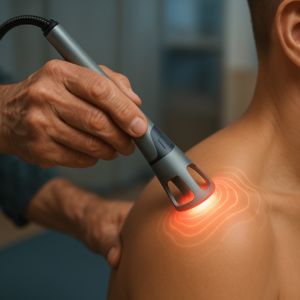
Laser therapy (also called photobiomodulation) uses specific wavelengths of light to stimulate biological repair inside the body.

When applied to tissue, therapeutic light:

 Increases ATP production (cellular energy)
 Reduces inflammatory mediators
 Improves microcirculation
 Supports nerve recovery
 Accelerates tissue regeneration

This is not cosmetic light.
It is clinically applied, evidence-based therapeutic light.

The goal is simple: restore function and reduce pain.

Conditions Commonly Treated

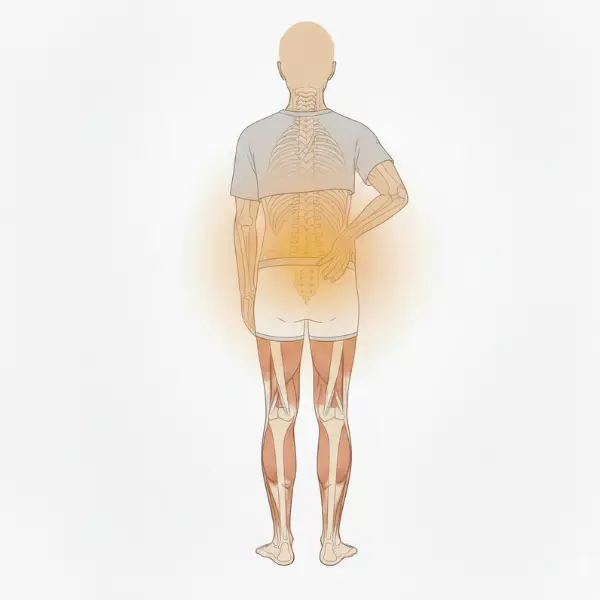
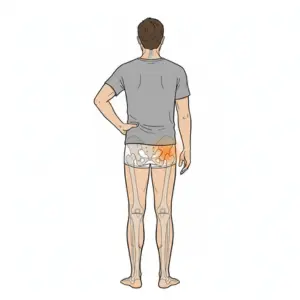
back pain
back pain
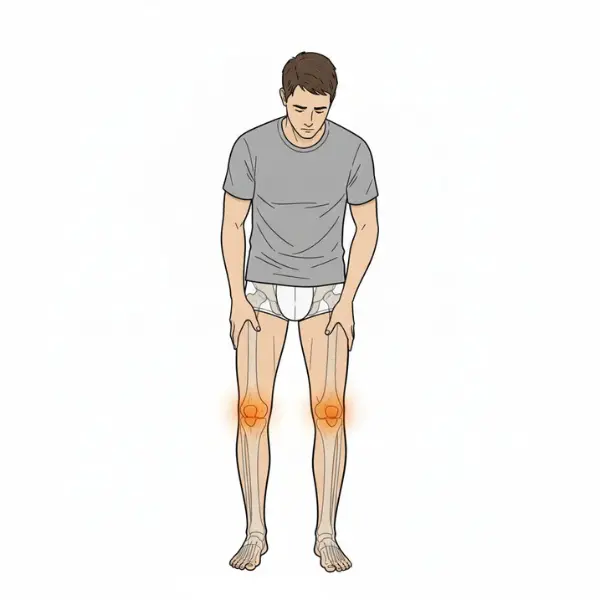
knee pain
knee pain
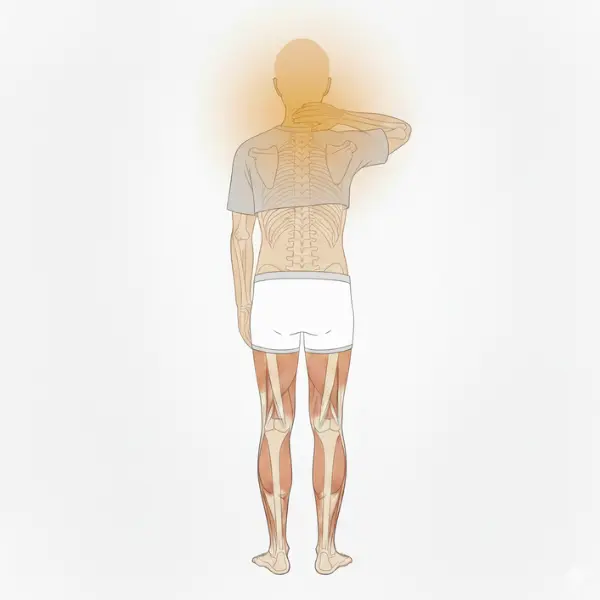
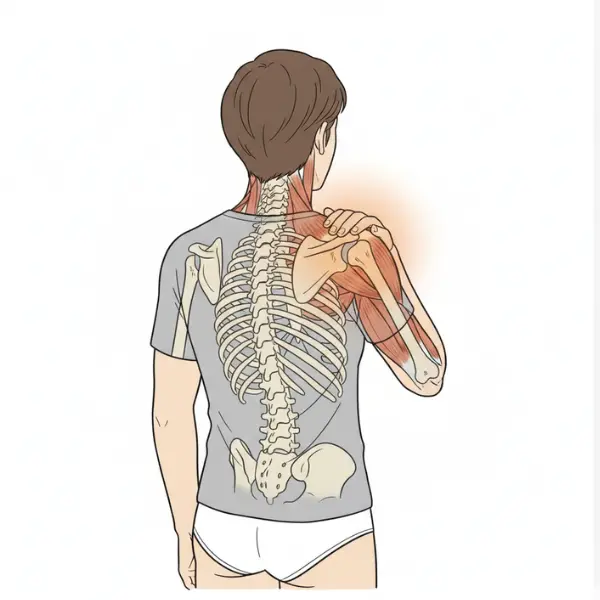
neck pain
neck pain
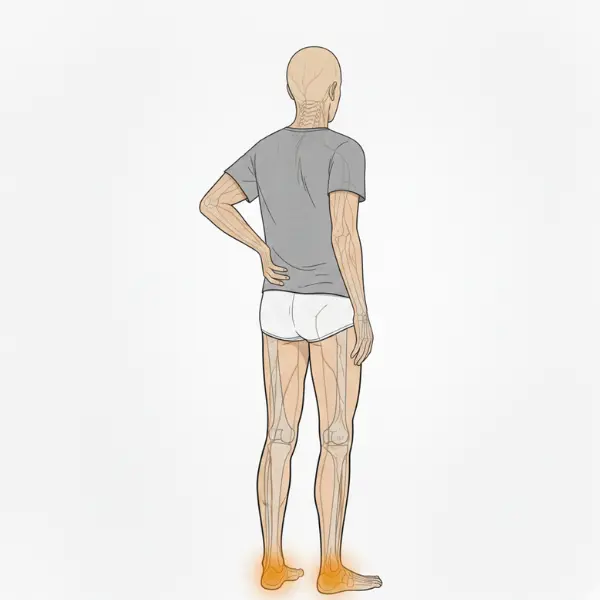
Tendonitis
Tendonitis
Sciatica
Ciática
Sports injuries
Sports injuries

Why Choose Laser Therapy?

Many patients choose laser therapy because it is:

• Completely non-invasive
• Painless
• Safe for children and elderly patients
• Suitable for acute and chronic conditions
• Able to treat inflamed areas directly

For patients who are sensitive to needles, laser therapy can replace acupuncture.
For others, it can complement it.

The method is flexible, precise, and adapted to the individual.

How We Work

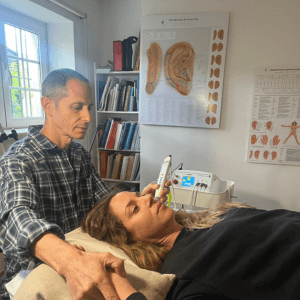
Treatment begins with careful clinical assessment.

In some cases, we integrate principles from Japanese acupuncture and auricular medicine to identify areas of dysfunction more precisely.

The laser is then applied locally and, when appropriate, on specific reflex points to support systemic balance.

Sessions are calm, comfortable, and typically last between 40–60 minutes.

The objective is not just symptom reduction — but functional improvement.

Experience and Clinical Background

With over 28 years of clinical experience in Chinese and Japanese acupuncture, and advanced training in laser therapy and auricular medicine, treatments are guided by both tradition and modern photomedicine.

Laser therapy is not used mechanically.
It is applied thoughtfully, based on physiology and clinical response.

The integration of classical medicine and photobiomodulation allows for a refined and individualized approach.

Ready to Begin?

f you are living with pain, inflammation, or slow recovery, laser therapy may offer a different path.

Book a consultation to evaluate whether this approach is suitable for you.

Clinics in Mafra and Estoril.

Book Appointment →
WhatsApp →

Condições que Tratamos

chronic pain
Dor Crónica
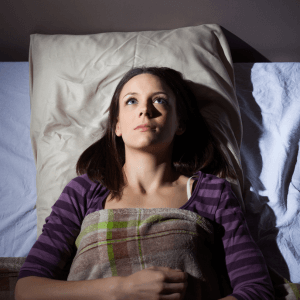
Insomnia
Insónia
Traumas
Traumas
Hormonal Imbalances
Desequilíbrios Hormonais
Stress and Anxiety
Stress e Ansiedade

Testemunhos

auricular medicine

A acupuntura a laser, também conhecida como Terapia com Laser de Baixa Intensidade (LLLT), utiliza luz laser de baixa potência com um comprimento de onda coerente. Ao contrário dos lasers cirúrgicos, o laser suave penetra profundamente na pele sem gerar calor, mas ainda atua sobre a superfície cutânea. Importa destacar que este tipo de laser não é agressivo, sendo completamente seguro, sem efeitos nocivos na pele nem elevação da temperatura.

O feixe de laser estimula eficazmente os pontos de acupuntura em todo o corpo, seguindo os mesmos princípios da acupuntura tradicional chinesa. Através dessa estimulação, o laser suave ativa os mecanismos naturais de cura do organismo, tanto a nível celular como sistémico, fornecendo às células a energia necessária para um funcionamento ideal.

Photobiomodulation: How Laser Light Activates Cellular Energy

Read more Read less

Laser acupuncture uses low-level laser light to stimulate acupuncture points without needles. When the light touches the skin, it triggers a chain of physiological responses that influence cellular energy, tissue repair, inflammation, and nervous system regulation.

1) Interaction with the Skin

Laser light is coherent, monochromatic, and delivered at a specific wavelength. This allows penetration at different depths without heating or damaging tissue. The energy is absorbed by cellular chromophores (light-sensitive molecules), which initiates biological signaling.

2) Effects on Cells and Mitochondria

Mitochondria respond strongly to light. Through photobiomodulation, laser energy is absorbed—especially by cytochrome c oxidase—supporting increased ATP production, the cell’s main energy source.

  • More ATP: supports repair, regeneration, and healthy cellular function.
  • Faster tissue recovery: promotes protein synthesis and DNA repair, useful in injury and inflammation.
  • Lower oxidative stress: helps balance free radicals and supports long-term cell health.

3) Impact on the Nervous System

Laser stimulation of acupuncture points influences neural signaling and autonomic regulation, supporting both symptom relief and recovery processes.

  • Pain modulation: supports endorphin and serotonin activity, improving comfort and mood.
  • Anti-inflammatory action: helps regulate inflammatory messengers and reduces cytokine-driven irritation.
  • Nerve repair support: enhanced ATP and cellular repair can assist regeneration in damaged nerve tissue.

4) Restoring Functional Balance

In traditional acupuncture terms, stimulating points supports smoother regulation along meridians and helps restore balance (“Qi”). In modern terms, this often reflects improved nervous system coordination and immune regulation—supporting better overall function.

Conclusão

Laser acupuncture harnesses light to enhance mitochondrial performance, increase cellular energy, accelerate tissue repair, and reduce pain and inflammation through nervous system modulation. It is a gentle, non-invasive option that supports healing without needles or pharmaceuticals.

The Rise of Low-Level Laser in Modern Acupuncture

Recent years have witnessed an increasing adoption of low-power lasers among acupuncture therapists. This approach offers a non-invasive and safe alternative to acupuncture, particularly suited for individuals who fear needles, infants, and the elderly. Importantly, laser treatment boasts minimal side effects, cementing its reputation as a safe therapeutic option.

Cold laser therapy (LLLT) has been studied since the 1970s and is widely used as a safe, non-thermal therapeutic tool. Operating at specific wavelengths without generating heat, it supports tissue repair, reduces inflammation, enhances mitochondrial function, and promotes wound healing and bone recovery.

More than 2,500 scientific studies have examined its effectiveness across a broad range of conditions, including carpal tunnel syndrome, arthritis, fibromyalgia, neuralgia, back pain, cerebral palsy, acne, and other inflammatory or neurological disorders.

Its mechanism is rooted in photobiomodulation: when cells absorb laser light, mitochondrial activity increases, leading to enhanced ATP production — the primary energy source for cellular repair and regeneration.

The foundations of light therapy trace back to Nobel laureate Dr. Niels Finsen in 1903, followed by the development of the ruby laser in 1960 and Mester’s demonstration of biological laser stimulation in 1967. Extensive research in the late 20th and early 21st centuries, including hundreds of randomized controlled trials, further validated the medical applications of laser and LED therapy.

Today, cold laser therapy stands as a scientifically supported modality integrating cellular biology with modern clinical practice.

Soft laser therapy is a modern, non-invasive alternative to traditional acupuncture that offers shorter treatment times and eliminates the risks of infection, bleeding, or tissue trauma. It is particularly appealing for practitioners of Chinese medicine seeking precise and gentle therapeutic options.

This therapy can be applied in three primary ways:

Acupuncture Point Stimulation – Laser light activates traditional meridian points without needles, aligning with classical Chinese diagnostic principles while enhancing patient comfort.

Localized Pain Treatment – Direct application to painful areas reduces inflammation, improves circulation, and accelerates tissue repair. Treatment intensity and duration can be adjusted for individualized results.

Medicina Auricular – The ear functions as a microsystem of the body. Laser stimulation of specific auricular points, guided by VAS testing or established ear maps, supports pain relief, emotional regulation, and systemic balance.

By combining photobiomodulation science with traditional acupuncture theory, soft laser therapy provides a versatile, safe, and effective approach to pain management and holistic healing.

 
 
Patients – Leads

Pode agendar uma consulta diretamente aqui: 📅 Agendar agora

Subscription Form

© 2022–2026 OLA Laser Acupuncture. All rights reserved.

Scroll to Top