auricular-medicine

German Auricular Medicine · Mafra & Estoril, Portugal

The Ear Holds
a Map of
Your Whole Body

Auricular medicine is a precision diagnostic and therapeutic system grounded in neuroscience and embryology. The outer ear maps the entire body — and through the Vascular Autonomic Signal (VAS), even hidden disturbances can be identified and corrected.

Founded by Dr. Paul Nogier · Refined by Dr. Frank Bahr · Applied by Oren Ziv Ram

1957
Nogier’s Discovery
200+
Auricular Points
7
Nogier Frequencies
27
Years Experience

What is Auricular Medicine

The Outer Ear as
a Diagnostic System

Auricular medicine is a specialized therapeutic system grounded in neurophysiology and embryology. The ear reflects the entire body through a precise somatotopic map — specific points on the auricle correspond to organs, musculoskeletal structures, and regulatory systems throughout the body.

Unlike simplified ear acupuncture charts, auricular medicine focuses on functional assessment and individual reactivity — identifying active points that appear only when a genuine disturbance is present.

This is a precise, measurable, nervous-system-based clinical methodology developed over 70 years of medical research — refined through modern biophotonics and frequency diagnostics.

The Somatotopic Map
Upper Ear (Antihelix) Spine
Triangular Fossa Pelvis / Hips
Concha (Inner Bowl) Organs
Earlobe Head / Brain
Helix Tail Teeth / Jaw
Tragus Autonomic Regulation

Each point becomes reactive only when a genuine disturbance is present — making the ear a real-time diagnostic interface.

The VAS Pulse
VAS
Vascular Autonomic Signal

“A subtle pulse change that the body cannot fake — and a practitioner trained to read it.”

The Key to Precision Diagnosis

The Vascular
Autonomic Signal

The VAS — also known as the Reflex Auriculo-Cardiac (RAC) — is a physical pulse transition detected at the radial artery when the body’s regulatory field is challenged by a specific stimulus: a laser, a diagnostic frequency, or direct contact with an auricular point.

This subtle pulse response cannot be faked, cannot be placebo-influenced, and cannot be produced by a point that is not genuinely reactive. It provides an objective, real-time window into the body’s regulatory state.

Developed by
Dr. Paul Nogier
French physician · 1950s–1980s
Refined by
Dr. Frank Bahr
German physician · Advanced precision protocols

Clinical Applications

What Auricular Medicine
Can Address

The ear connects to the entire nervous system — making auricular medicine effective across a wide spectrum of pain, functional, and regulatory conditions.

Pain 
 
  • Back Pain
  • Sciatica
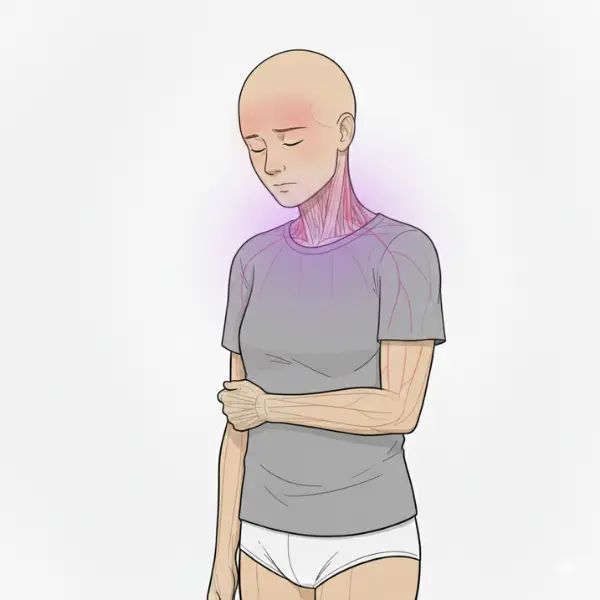
  • Neck Pain
  • Tennis Elbow
  • Shoulder Pain
Neurological
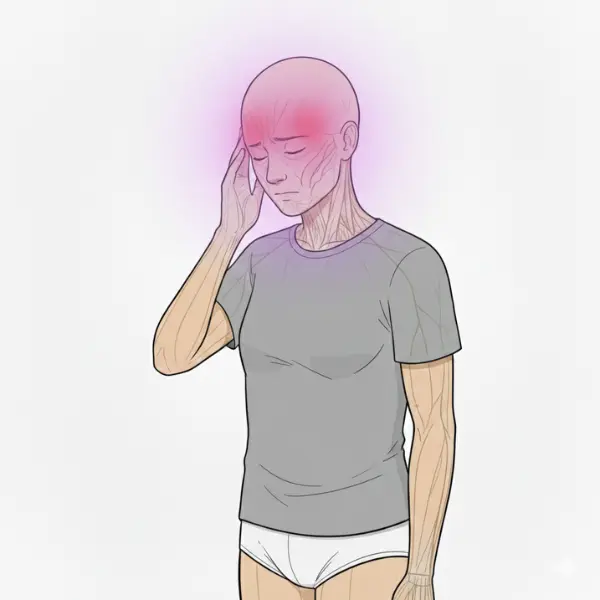
  • Headaches & Migraines
  • Neuralgia
  • Post-Stroke Support
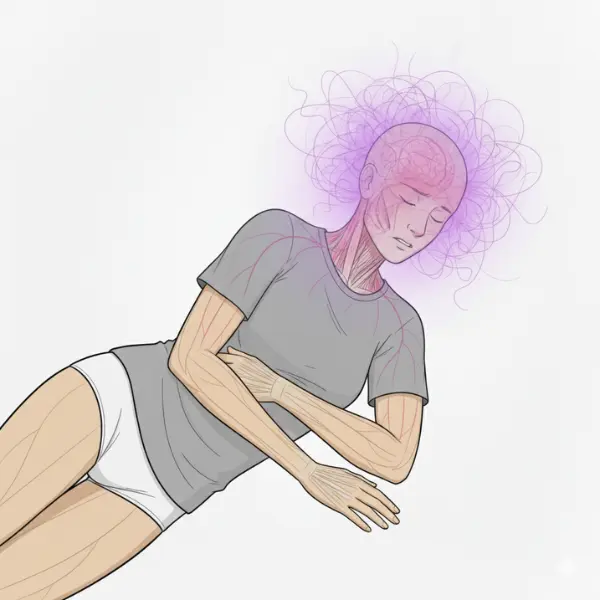
  • Autonomic Imbalance
  • Nerve-Related Pain
Emotional
 
  • Insomnia
  • Anxiety & Stress
  • Depression
  • Mood Disturbances
  • Psychosomatic Conditions
Digestive 
 
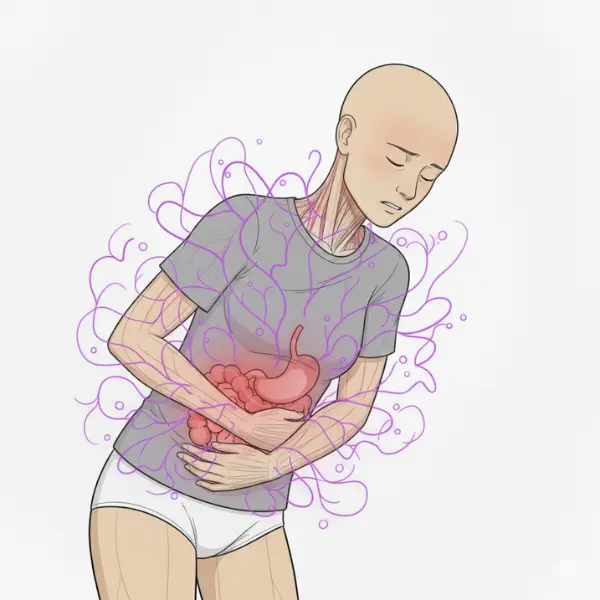
  • Digestive Disorders
  • Rheumatism
  • Joint Pain
  • Hormonal Imbalances
  • Functional Complaints
Interference
 
  • Dental Infections
  • Scar Tissue
  • Silent Jaw Infections
  • Tonsil Inflammation
  • Sinus Disturbances
Suitable
 
  • Chronic Conditions
  • Needle-Averse Patients
  • Alongside Conventional Care
  • Complex Unresolved Cases
  • All Ages

Your First Visit

What to Expect
in a Session

Sessions are calm, focused, and typically 40–60 minutes. Treatment is gentle and well-tolerated — many patients describe a deep sense of relaxation during and after.

40–60
Min/Session
0
Downtime
2
Clinics
Step 01

Clinical Intake

A full health history is taken — including past conditions, medications, dental history, and current complaints. Nothing is too small or seemingly unrelated — interference fields often hide in unexpected places.

Step 02

VAS Pulse Reading

The Vascular Autonomic Signal is monitored at the radial artery while specific ear points and diagnostic frequencies are applied. The body’s pulse response guides the entire treatment selection — objectively and precisely.

Step 03

Laser Stimulation

Reactive auricular points are treated with calibrated low-level laser at Nogier and Bahr frequencies. No needles, no discomfort — precise photonic stimulation that communicates directly with the nervous system.

Step 04

Review & Ongoing Plan

Changes in the VAS and symptom response guide the ongoing treatment plan. Multiple sessions are typically required for lasting stabilization — the body restores regulation gradually and cumulatively.

Oren Ziv Ram
27
Years Clinical Practice

“The ear does not lie. When you know how to listen to it, it tells you everything.”

About Your Practitioner

Oren Ziv Ram

TCM · Auricular Medicine · VAS Diagnosis · Laser Acupuncture · Flower Essences

With over 27 years of clinical experience in acupuncture and Chinese medicine, Oren Ziv Ram brings depth, precision, and genuine care to every treatment. His practice is rooted in classical Chinese medicine and extended through Japanese acupuncture techniques, Master Tung’s points, and German auricular medicine.

His approach goes beyond symptom relief — he carefully evaluates each patient’s condition to identify the underlying patterns driving it, and supports the body’s own capacity to restore balance.

His philosophy is simple: listen carefully, diagnose precisely, and treat with clarity and respect for the body’s intelligence.

Clinics in Mafra & Estoril, Portugal

Let Your Body
Remember How to Heal

Whether you are dealing with pain, a chronic condition, stress, or something that has not responded to conventional treatment — auricular medicine offers a precise, non-invasive path to restoring your body’s own regulation.

R. dos Jasmins 6, Salgados, Mafra  |  Estoril  |  +351 915 698 420

Auricular Medicine

Auricular medicine is a specialized form of ear acupuncture based on the functional relationship between the ear, the nervous system, and the internal organs. It uses specific reflex zones on the ear to influence pain regulation, autonomic balance, and functional disturbances in the body.

What Is Auricular Medicine?

Auricular medicine is grounded in neurophysiology and embryology. The ear reflects the entire body through a precise somatotopic map, where specific points correspond to organs, musculoskeletal structures, and regulatory systems.

Unlike simplified ear acupuncture charts, auricular medicine focuses on functional assessment, individual reactivity, and the autonomic nervous system rather than fixed point formulas.

How Auricular Medicine Works

Stimulation of specific ear points influences the central and peripheral nervous system. This interaction can modulate pain perception, autonomic balance, and functional regulation of organs and tissues.

Treatment is adapted to each patient’s presentation and response rather than applied as a standardized protocol.

Clinical Applications

What a Session Looks Like

A session begins with a short clinical assessment. Based on the findings, reactive points on the ear are identified and treated.

Treatment is generally gentle and well tolerated. Sessions usually last –60 minutes, depending on the individual case.

Who This Approach Is Suitable For

Patients seeking a focused, nervous-system–based approach

People with chronic or recurring pain

Patients with functional or stress-related complaints

Those looking for a complementary method alongside conventional care

The Evolution and Clinical Precision of German Auricular Medicine
Read more Read less

German Auricular Medicine is an advanced diagnostic and therapeutic system that builds upon the foundational Ear Acupuncture developed by Dr. Paul Nogier in the 1950s. While Nogier identified the somatotopic map of the ear—the concept that the auricle represents an inverted fetus—German researchers, led by Dr. Frank Bahr, transitioned the field into a high-precision medical discipline by integrating neurology, biophysics, and laser technology.

Mechanisms and the Vascular Autonomic Signal (VAS)

The core of this modality is the Vascular Autonomic Signal (VAS), also known as the Reflex Auriculo-Cardiac (RAC). This is a physical pulse transition detected at the radial artery when the body’s electromagnetic field is challenged by a stimulus such as a laser or a specific diagnostic frequency.

German practitioners use specific frequencies—initially developed by Nogier and later refined by Bahr—to identify active auricular points that appear only when a functional or organic disturbance is present. This allows for highly individualized diagnosis rather than fixed point prescriptions.

The Bahr Detector further enhances precision by enabling localization of reactive points with a level of accuracy not achievable through manual palpation alone.

Advancements in Low-Level Laser Therapy (LLLT)

The integration of photobiomodulation has largely replaced or supplemented traditional needles in modern German protocols. This transition is based on documented physiological responses to low-level laser stimulation.

Laser application at specific frequencies enhances mitochondrial ATP production, supporting cellular repair and regeneration. At the neurological level, auricular stimulation influences neurotransmitter release and modulates autonomic nervous system activity.

Unlike needles, laser therapy allows non-invasive delivery of Bahr frequencies to deep-seated energetic and regulatory blockages without mechanical tissue trauma.

Dental–Auricular Integration and Interference Fields

A distinctive contribution of German Auricular Medicine is the identification of interference fields (Störherde). Research by Bahr demonstrated a direct correlation between specific teeth and defined auricular points.

Chronic dental inflammation or silent jaw infections may act as systemic blockages, inhibiting recovery from seemingly unrelated chronic pain or functional disorders.

Transfloral Acupuncture (TfA) further extends this approach by combining auricular stimulation with frequencies derived from Bach flower properties, addressing emotional and psychosomatic components linked to dental and systemic health.

Neurological and Veterinary Expansion

Clinical applications now extend into neurological rehabilitation and veterinary medicine. Auricular stimulation is used to support neuroplasticity in post-stroke recovery by engaging cortical pathways via cranial nerves represented in the ear.

The same somatotopic principles have been adapted for equine and canine physiology, offering non-pharmacological options for pain management and inflammatory conditions in animals.

The Future of Integrative Diagnostics

German Auricular Medicine functions as a bridge between traditional meridian theory and modern Western neurology. Through biophotonics and frequency-based diagnostics, it provides a measurable and repeatable framework for personalized, integrative medical care.

German Auricular Medicine: Clinical Foundations and Diagnostics
Read more Read less

Developed in the 1950s by French physician Dr. Paul Nogier, German Auricular Therapy is a specialized form of acupuncture focused on the outer ear (auricle) as a diagnostic and therapeutic system. The ear functions as a microsystem in which specific zones correspond to organs, tissues, and regulatory systems throughout the body.

By evaluating these reflex zones, practitioners can identify both visible and hidden disturbances, detect functional imbalances, and locate sources of pain or dysfunction that may not be immediately apparent.

Understanding Reflex Zones and Focal Disturbances

Each reflex zone on the ear reflects a defined anatomical or functional structure in the body. When a zone becomes reactive, it may indicate stress, inflammation, or regulatory disruption in the corresponding area.

In many cases, focal disturbances interfere with recovery. These disturbances may not be directly related to the main complaint but can weaken the body’s healing capacity. Examples include chronic tonsil inflammation, sinus infections, scar tissue, dental infections, decayed teeth, or toxic amalgam fillings.

If untreated, such interference fields can reduce resilience, impair immune response, and limit the effectiveness of conventional therapies.

Diagnostic and Treatment Process

Using specialized diagnostic techniques, practitioners measure subtle electrical or reflex changes on the ear surface. A reactive point may signal dysfunction in the corresponding organ or system.

Once identified, specific ear points are stimulated to restore regulatory balance. Traditional treatment involves fine acupuncture needles, while modern protocols frequently incorporate laser stimulation as a non-invasive alternative.

Auricular stimulation communicates with the diencephalon — a central regulatory structure of the brain responsible for autonomic and endocrine balance. Proper stimulation activates intrinsic healing mechanisms and supports systemic regulation.

Conditions Commonly Treated

  • Migraines and headaches
  • Insomnia and sleep disorders
  • Anxiety, depression, and mood disturbances
  • Digestive disorders and functional gastrointestinal issues
  • Rheumatism and joint pain
  • Autonomic dysfunction and nerve-related pain (tennis elbow, shoulder and neck pain)

While auricular therapy cannot reverse structural destruction such as fractures or advanced tissue damage, it can reduce pain, improve circulation, and enhance the body’s response to conventional medical care.

Laser Auricular Therapy: A Modern Alternative

Laser auricular therapy provides a needle-free method of stimulation using coherent, monochromatic light. This light penetrates tissue and transfers energy to cellular structures, supporting metabolic activity and regulatory balance.

By applying specific light frequencies to auricular reflex points, practitioners aim to restore energy flow along the body's regulatory pathways. This approach is especially suitable for patients who prefer non-invasive treatment.

As with traditional acupuncture, multiple sessions are typically required to achieve lasting stabilization.

The Importance of Holistic Integration

German Auricular Therapy is designed to complement conventional medicine. By addressing regulatory disturbances, interference fields, and systemic imbalances, it offers a structured and integrative approach to chronic and functional conditions.

When performed by a trained professional, treatment is considered safe, well tolerated, and suitable for long-term therapeutic strategies.
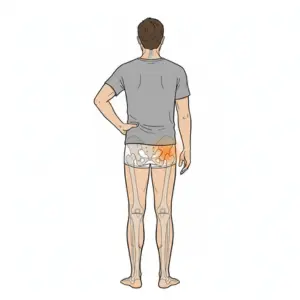
Restoring the Body’s Natural Healing Intelligence

Auricular medicine is not about treating diseases directly — it is about helping the body remember how to heal itself. Every person is born with natural self-regulation and repair mechanisms, but trauma, chronic stress, medications, infections, or dental disturbances can create blockages that interfere with this ability.

Rather than focusing on symptoms, auricular medicine searches for the underlying imbalance. Using the Vascular Autonomic Signal (VAS), subtle pulse changes guide the practitioner to areas of dysfunction within the nervous system. By identifying and correcting these blockages, the body is supported in returning to its natural balance.

This approach is not centered on disease labels. Whether the issue is pain, insomnia, headaches, or more complex conditions, the goal remains the same: restore regulation and reactivate the body’s inherent healing capacity.

When combined with frequency-based laser acupuncture, the process becomes gentle, precise, and highly supportive of the body’s own recovery mechanisms.


Restoring Balance at the Source

Auricular medicine is not focused on treating diseases directly, but on helping the body regain its natural ability to heal. Although we are born with strong self-repair mechanisms, trauma, chronic stress, infections, medications, or dental disturbances can disrupt this internal regulation and block recovery.

Instead of concentrating on symptoms, this method looks for the underlying imbalance. Through the Vascular Autonomic Signal (VAS), subtle pulse changes guide the practitioner to areas of dysfunction within the nervous system. By correcting these blockages, the body is supported in returning to its original balance.

The approach is not limited by diagnostic labels. Whether addressing pain, insomnia, headaches, or complex chronic conditions, the aim is always the same: reactivate self-regulation and restore harmony.

When combined with frequency-based laser acupuncture, the process becomes gentle, precise, and supportive of the body’s intrinsic healing intelligence.

Auricular Medicine Explained: How the Ear Reflects the Whole Body
The Origins and Principles of Auriculotherapy

Dr. Paul Nogier’s work began when he noticed that patients treated on the ear for infections also experienced relief from sciatic pain after specific ear-point cauterization. This observation led him to investigate the relationship between the outer ear and the rest of the body. Over more than fifteen years of research, he developed the auricular map — an inverted fetus representation of the body reflected on the ear.

Auriculotherapy is based on a reflex principle: specific ear points correspond to defined organs and systems. Pathological points become reactive and can be identified through sensitivity to pressure, light, laser stimulation, or electronic detection. Treatment is then applied through needles, electrical stimulation, or laser therapy to restore functional balance.


From Auriculotherapy to Auriculomedicine

Dr. Nogier’s research evolved from simple ear acupuncture into a more advanced diagnostic system known as auriculomedicine. Combining ear palpation with pulse examination, he discovered that touching specific ear areas produced subtle changes in the radial pulse. This phenomenon led to the identification of the Vascular Autonomic Signal (VAS), a neurovegetative reflex reflecting the body’s response to stimulation.

Further experimentation with magnets, colors, and electromagnetic stimuli revealed that the body responds to specific resonance patterns — later defined as the Nogier frequencies. These frequencies form a therapeutic spectrum used for both diagnosis and treatment, interacting with the body’s regulatory systems.

The VAS remains a manual technique, as its subtle autonomic pulse shift cannot easily be measured by machines. Through this pulse response and point reactivity, practitioners identify dysfunction and select the appropriate frequency.

In the 1970s, Nogier defined seven principal frequencies — U, A, B, C, D, E, F, and G — each resonating with biological structures and regulatory layers.

Ancient Roots, Modern Revelation

Ear acupuncture is an ancient therapeutic method with origins reaching back thousands of years. Archaeological evidence suggests that early forms of acupuncture were practiced in multiple civilizations using primitive tools long before the development of metal needles. Its survival across centuries reflects its enduring therapeutic value.

A major turning point came in 1957, when Dr. Paul Nogier introduced the somatotopic map of the ear. He demonstrated that the auricle reflects the body in the form of an inverted embryo — a discovery that transformed traditional ear acupuncture into a structured medical system.

Nogier’s work revealed that stimulation of the ear does not merely act locally but can influence systemic regulation throughout the entire body, laying the foundation for modern auricular medicine.

From Local Discovery to Global Medicine

Dr. Paul Nogier’s discoveries quickly attracted attention within the medical community. With the support of colleagues such as Dr. Jacques Nieboit, his findings were presented at international acupuncture congresses, and translations of his work helped spread the concept throughout Europe and beyond. Interest soon reached Asia, including Japan and China.

In China, Nogier’s ear maps were compared with traditional Chinese auricular charts. Their similarities led to large-scale clinical investigations, including research conducted by the Nanjing Army Auricular Acupuncture Research Team. These evaluations supported the clinical value of auricular acupuncture and strengthened its integration into established medical practice.

Further scientific validation came through experimental studies, including research by Dr. T.D. Olson, who examined the accuracy and effectiveness of both Nogier’s and Chinese auricular maps in patients with musculoskeletal pain. Such work marked an important step toward positioning auricular acupuncture within evidence-based medicine.

Today, auricular medicine reflects the convergence of historical knowledge and modern research. Nogier’s insight into the relationship between the ear and systemic regulation continues to influence integrative diagnostics and therapeutic strategies worldwide.

Patients – Leads

You can book an appointment directly here: 📅 Book Now

Subscription Form
Scroll to Top